Property type
Semi-detached
Project type
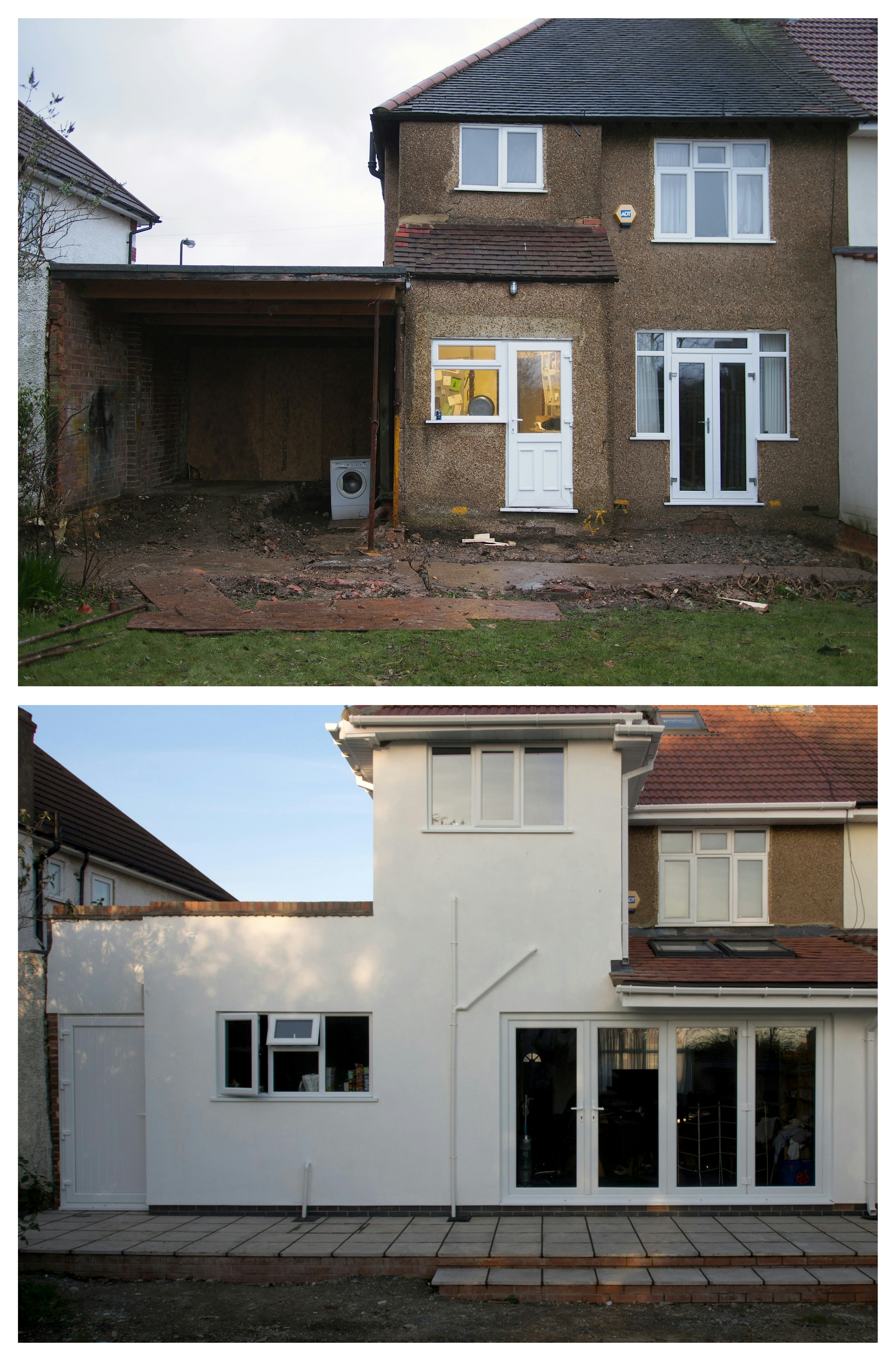
Wraparound, Rear extension, Side extension
The brief
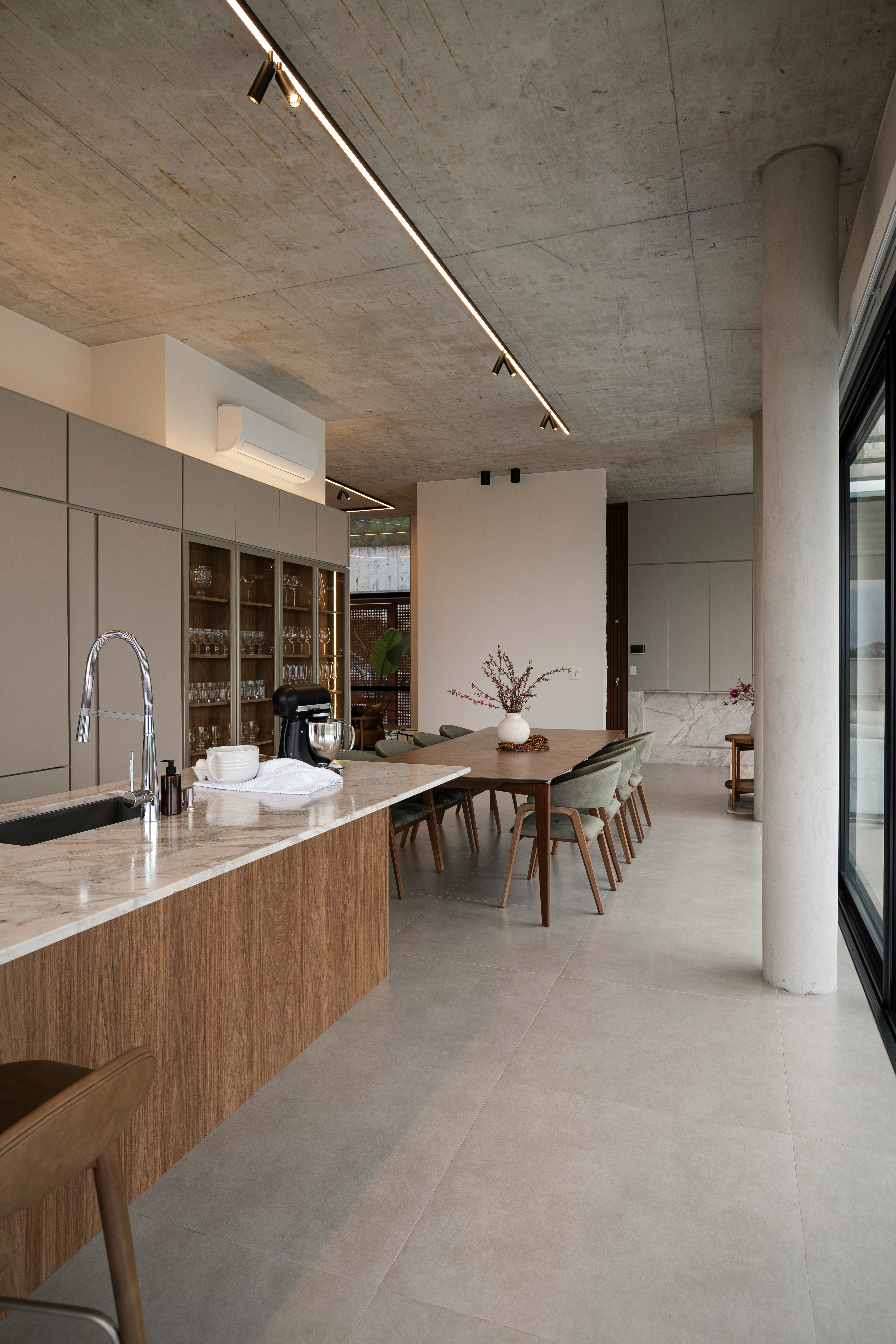
Create a larger open-plan kitchen and dining space with a wraparound layout.
What made it tricky
- Side access was narrow
- Neighbour sensitivity on the side return
- Need for certainty before committing to build
Planning route
We used an LDC route to secure compliance evidence and reduce risk for resale.
Design + build approach
The layout was tuned to keep the side element within limits and maintain access for deliveries.
Want the same route?
- Clear PD vs planning route
- Risks flagged early
- Survey → drawings → approvals → build
Planning route: LDC
We prepared evidence and drawings to secure an LDC for certainty and resale.
Timeline
Survey + brief1w
Drawings + revisions2w
Approvals / route confirmation2w
Pre-start + procurement1w
Build phase10w
Handover1w
Client feedback
“The LDC removed uncertainty and the build was smooth.”
Adam, Maidstone
What this means for your home
If your wraparound sits close to a boundary, an LDC can provide certainty even when PD looks likely.
FAQs for wraparound extensions
Can a wraparound be PD?
Sometimes yes, but combined footprint and height limits can be tight.
Why choose an LDC?
It provides formal proof of compliance and avoids disputes later.
Want the same route?
- Clear PD vs planning route
- Risks flagged early
- Survey → drawings → approvals → build
This result is based on your property details. For certainty, we recommend a quick consult and (where appropriate) an LDC.